

-
The Best Friend Preparatory Canine Development Residency was created around a simple belief:
Early developmental environments shape long-term behavioral health.
The earliest months of a dog’s life influence how they recover from stress, navigate novelty, form relationships, regulate emotion, and move through the world over time. Yet many conventional puppy environments prioritize stimulation, exposure quantity, or obedience before foundational regulation has fully developed.
The Residency was designed as an alternative to that approach.
Rather than operating as a high-volume daycare, boarding facility, or traditional training program, the Residency functions as a highly structured developmental environment centered on emotional stability, environmental consistency, and carefully paced growth.
The focus is not rapid performance.
It is thoughtful development. -
Our approach is grounded in the understanding that resilient behavior emerges from stable developmental foundations.
This means prioritizing:
emotional regulation before obedience
confidence before complexity
recovery before stimulation
guided exposure rather than overwhelm
relationship-based learning over correction-based systems
Puppies are not pushed through standardized timelines or high-intensity social environments.
Instead, development is approached gradually, with close observation of:
nervous system recovery
environmental processing
social pacing
confidence development
relational security
adaptive flexibility
Each puppy progresses at an individualized pace within a carefully managed environment designed to support long-term emotional and behavioral stability.
-
The environment itself is considered part of the developmental curriculum.
Daily life within the Residency is intentionally calm, predictable, and low-volume.
Transitions are managed carefully.
Rest is protected.
Social exposure is structured thoughtfully.
Stimulation is moderated rather than amplified.The Residency maintains only a small number of concurrent puppies in order to preserve:
environmental stability
individualized observation
consistent routines
carefully managed social dynamics
meaningful developmental pacing
This limited structure allows for a level of attentiveness and continuity that is not possible within larger commercial environments.
-
Development occurs within the context of safety, predictability, and trust.
Our methodology draws from Fear Free principles, game-based learning, structured exposure practices, and emotionally intelligent handling approaches that prioritize cooperation and emotional stability over compliance-driven systems.
The objective is not simply behavioral management.
It is the development of:
adaptive confidence
calm environmental engagement
social fluency
emotional recovery capacity
resilient attachment patterns
thoughtful behavioral flexibility
The Residency emphasizes observation over correction and guidance over control.
-
No two puppies process the world in exactly the same way.
Some move confidently through novelty.
Others require slower pacing, increased recovery opportunities, or more gradual environmental integration.The Residency is intentionally designed to accommodate those differences.
Developmental plans are shaped through ongoing observation of:
recovery patterns
stress signals
exploratory behavior
social communication
environmental sensitivity
engagement style
This allows progression to remain responsive rather than rigid.
-
Enrollment remains intentionally limited throughout the year.
The Residency maintains:
only 1–3 concurrent puppies
seasonal cohort enrollment windows
application-based admissions
individualized developmental oversight
high-touch communication with families
This structure preserves the calm, highly controlled environment that the developmental model depends upon.
-
We believe stable development is built quietly.
Through repetition.
Through predictability.
Through carefully managed experiences.
Through emotional safety.
Through environments that allow young dogs to think, recover, observe, and adapt at their own pace.The Residency exists to support that process during one of the most formative periods of canine life.
Professional inquiries may be submitted here.
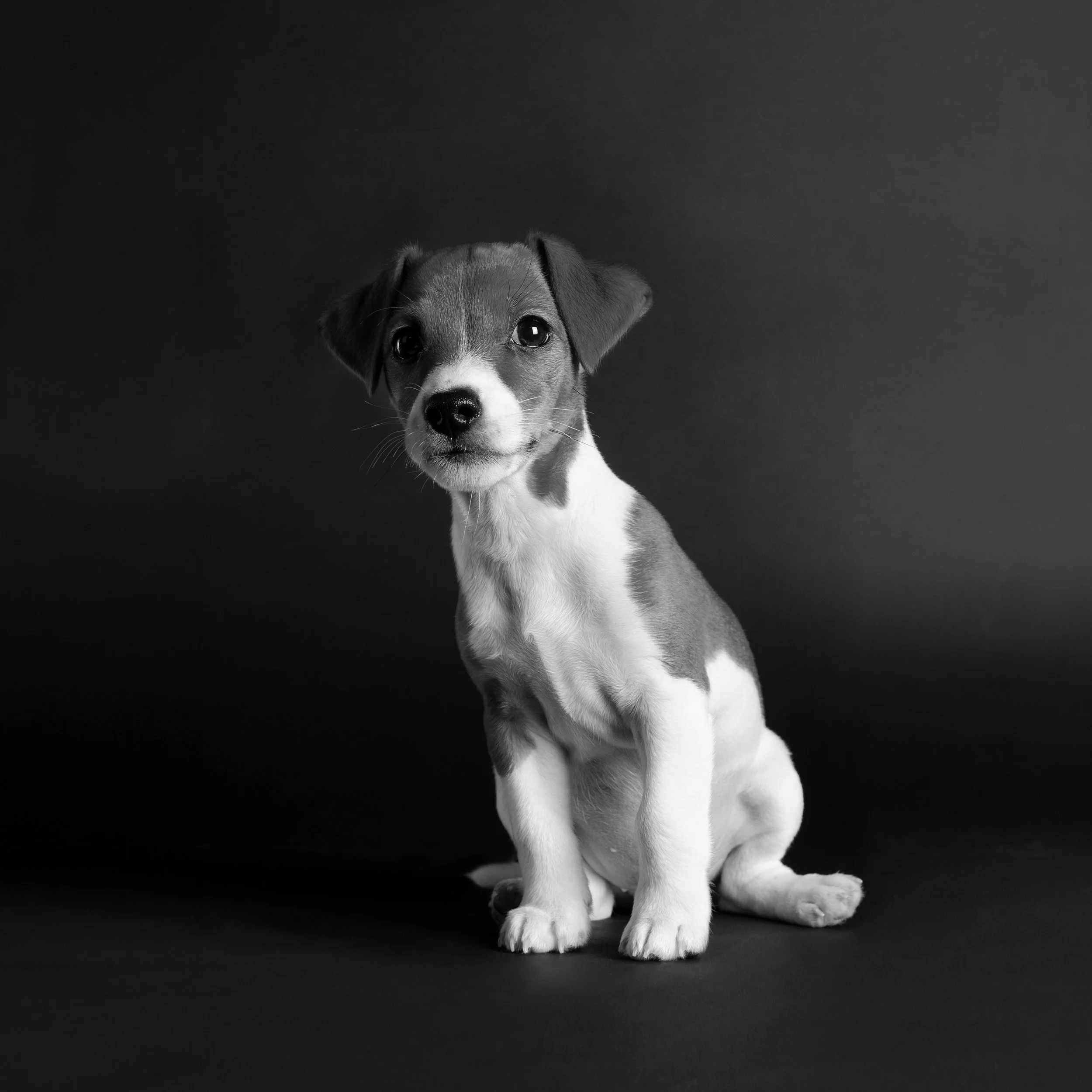
“The structure and consistency of the Residency changed the entire trajectory of early puppyhood for us. Our puppy came home calmer, more confident in new environments, and noticeably easier to live with day to day.”
— Family of a 15-week-old Jack Russell Terrier